
Old Water Chestnuts
Published:
A blog post about my father’s last six months.
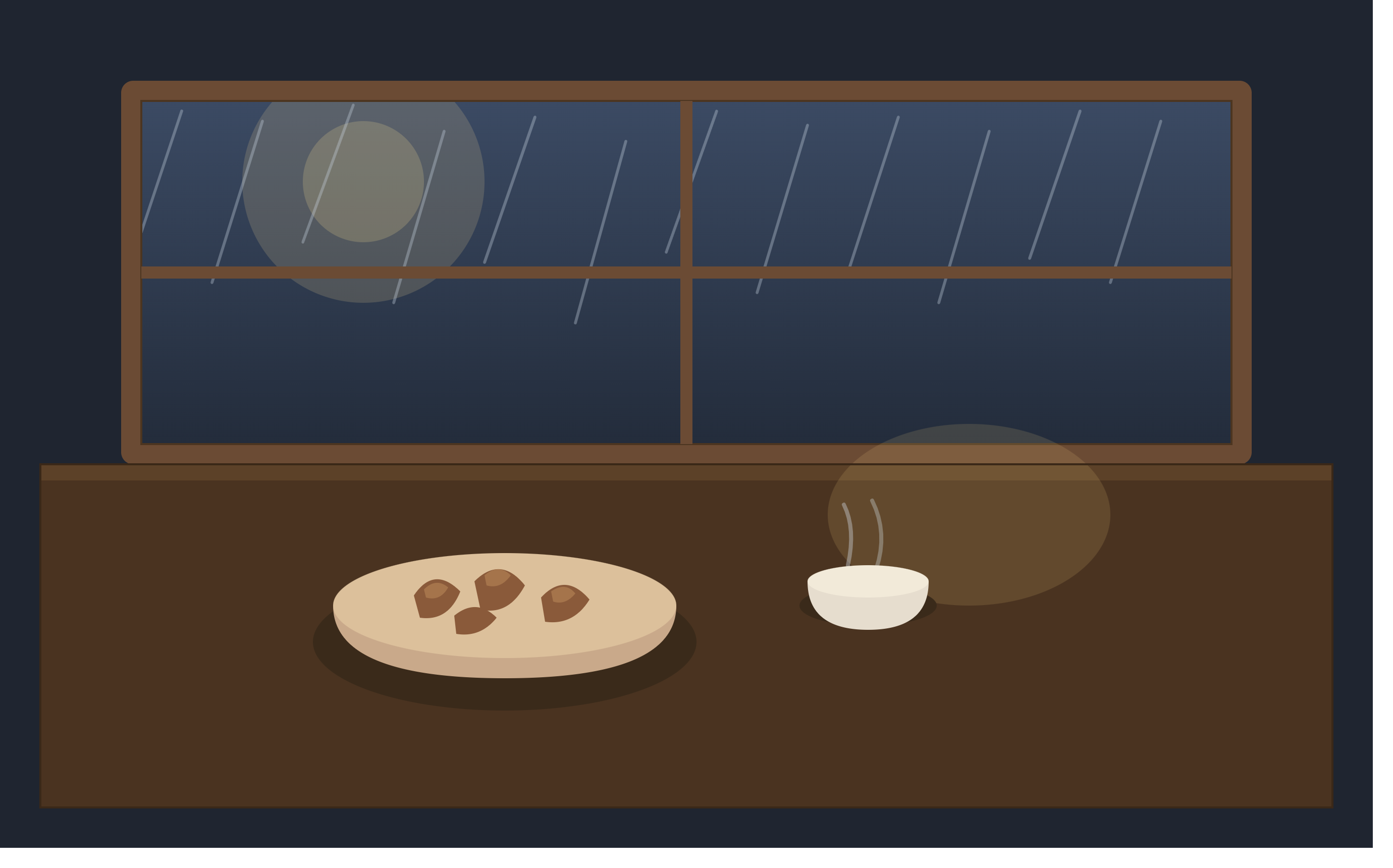
It rained on the last day of August.
The ground at Xichang Cemetery was soft and wet. I followed the rhythm of the ceremony and lowered my father’s ashes into the small plot. My mother stood beneath an umbrella and quietly repeated an old saying from our county: “Rain at burial brings good fortune to the descendants.”
I laughed a little. My eyes were wet too.
From March to now, six months. I am still not sure how I got through them. I am writing this not for anyone else, but for myself, for later. Someday I will be the one reaching the end of that road, and I want to remember how my father walked it: step by step.
March: The Fluid
It began with a lab report.
The fluid in his abdomen had returned. The doctor chose his words carefully. My mother did not: “He might not make it through the year.”
I was in Perth then, going to work during the day and sitting in the backyard at night, staring at a dark phone screen. He was eighty-six. He had lived with cancer for thirty years, undergone major surgery only the year before, and now faced this. None of it alone was necessarily a death sentence. Together, it was terrifying.
I began asking the same question every day: How is he today?
And every day, the answer was almost the same: About the same as yesterday.
It took me a while to understand what a gift that sentence was. It meant that nothing worse had happened.
April and May: The Plateau
After they drained the fluid, something unexpected happened: he stabilized.
He could eat a little porridge. He could walk on his own, once in the morning and once in the afternoon, forty minutes each time. On video calls, he sat on the couch, bickering gently with my mother, joking with my brother, greeting relatives he had not seen in years.
My mother sent a photograph once. My father was standing beneath a red “Fortune” character on the wall, wearing a hat and standing straight, with my brother and me on either side of him. I have looked at that photograph more times than I can count.
I kept asking myself: he was so thin, so weak. Why did he not look that bad? Later, I understood. That is what late-stage illness can look like. The reserves underneath are almost gone, but on the surface, daily life continues.
Summer was coming. The older generation says warm weather is easier on old bodies: less strain, a little more appetite. I held onto that sentence like a rope.
June: The Turn
Things changed in the middle of June.
First, it was his legs. He went from walking alone to needing someone to hold him up. Then came longer, heavier sleep. He needed help to use the bathroom, and eventually he lost that control altogether.
One day, his potassium dropped to a dangerous level. The pills were bitter and awful; he threw them up every time, until they changed to an IV. I sat on the phone, three hours ahead and five thousand kilometres away, listening to these details and asking myself the same question again and again: Is there still time?
My brother is a doctor. He said something heavy: “If he makes it through the first half of the year, that alone would be lucky.”
That was when I understood. The question was no longer whether to go home. It was when.
July: Together Again
I booked the flight.
When I saw him, he was so thin I almost did not recognize him, lying in bed with skin stretched over bone. But he recognized me. He reached out and squeezed my hand, lightly but deliberately. It was his own effort, not mine.
Those days held a gastrointestinal bleed, a transfusion, fasting, and then, carefully and spoonful by spoonful, relearning how to eat, beginning with rice water. Bedsores began to form. We took turns turning him and tucking pillows around him. He did not speak much anymore, but when you called his name, he would turn his head. When you asked whether he was in pain, he would shake it.
On July 11, it was time for me to fly back to Melbourne. I stood beside his bed and said, “Dad, I’m heading back now. I’ll call every day. Get some rest.”
He did not say anything. He simply raised his hand slowly and waved.
I did not think much of it at the time. It was an ordinary goodbye. I did not know that it would be the last time we said goodbye in person, face to face.
August: Before Dawn
Back in Melbourne, the days returned to that familiar sentence: About the same as yesterday.
But everything behind that sentence was becoming thinner. He stopped recognizing people reliably. He knew my sister-in-law in the morning and mistook her for someone else in the afternoon. Sometimes he believed he was still in the hospital. During one video call, he asked me, “Did you come back?”
I said yes. He seemed to understand. Or perhaps he did not. His words had become so unclear that even my mother could no longer make them out.
On the morning of August 5, my mother told me the camera had caught him lifting his hand in the middle of the night. At about five, he was still conscious: she called his name, and he answered. Around seven, she called again and received no answer, though he was still breathing. Someone in the room was speaking, and he turned his head toward my mother’s voice.
That night, I got on a flight home.
Saying Goodbye
On the morning of August 10, we said our final goodbye. His cremation was at 8:08 a.m.
In those days, I kept returning to the moment on July 11: his hand rising, the small wave. Later, my mother found the clip in the camera footage, and we watched it again. It had really happened. It was not something I imagined afterward to comfort myself. It was a real goodbye, and he had been awake for it.
On August 16, I flew back to Melbourne. On the plane, I found myself thinking about the house where I grew up: the old work-unit compound that no longer exists, the shape of the living room, where the water jar used to sit, the walk from school to his office. Details I had not thought of in decades returned one after another over those few days.
Old Water Chestnuts
There is a small thing I have never told anyone.
Every winter when I went home, my father would bring water chestnuts home in the summer and keep them in the freezer, waiting for my arrival so he could take them out and give them to me. This past Chinese New Year, I had just had polyp surgery and could not eat them. That batch of water chestnuts, I never got to eat.
On August 31, it rained, and we buried his ashes at Xichang Cemetery. My mother stood beneath her umbrella and said the old saying again: “Rain at burial brings good fortune to the descendants.”
I know that saying is really meant for the living. It is a local blessing: when rain falls as someone is laid to rest, it is said to bring good fortune to those they leave behind. It is something the older generation passes down to make grief a little easier to carry. I did not try to decide whether it was true. I only felt that it was the sky’s way of telling us: It is over now, and it is all right.
Every winter from now on, if I am still lucky enough to eat water chestnuts, I will probably think of him, and probably cry a little. But alongside the tears, there may be a small smile too, because I will remember:
This man. Every single year, he remembered to save me some.
Connect
- GitHub: guidebee/solana-trading-system
- LinkedIn: James Shen
This is post #34 in the Solana Trading System development series. Today it has nothing to do with trading systems, and everything to do with the people who make the rest of our lives possible.